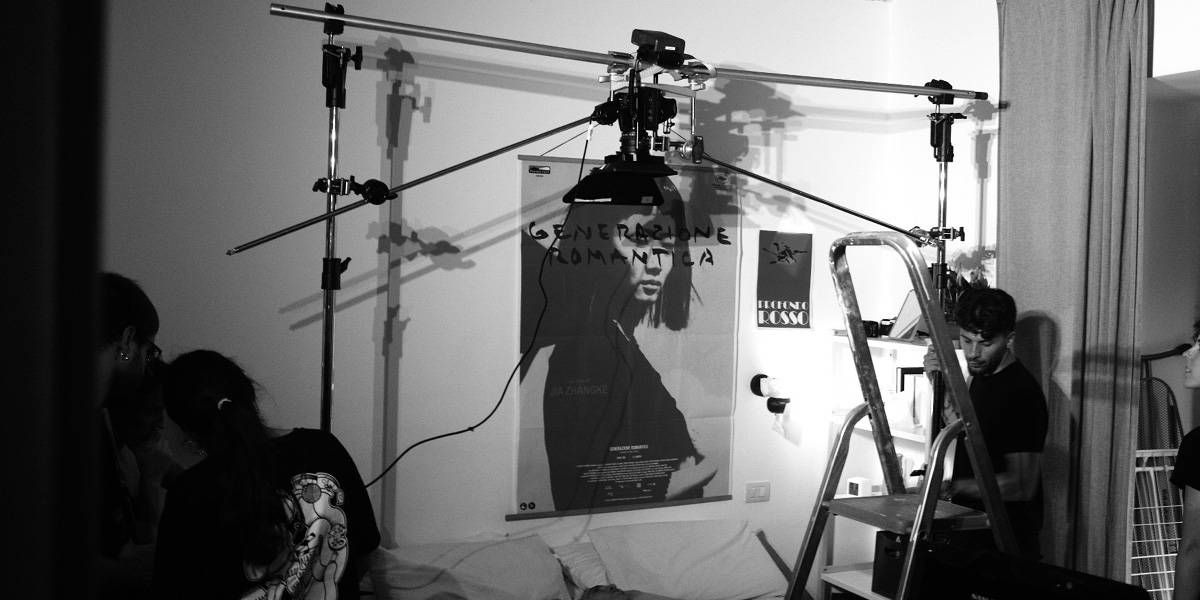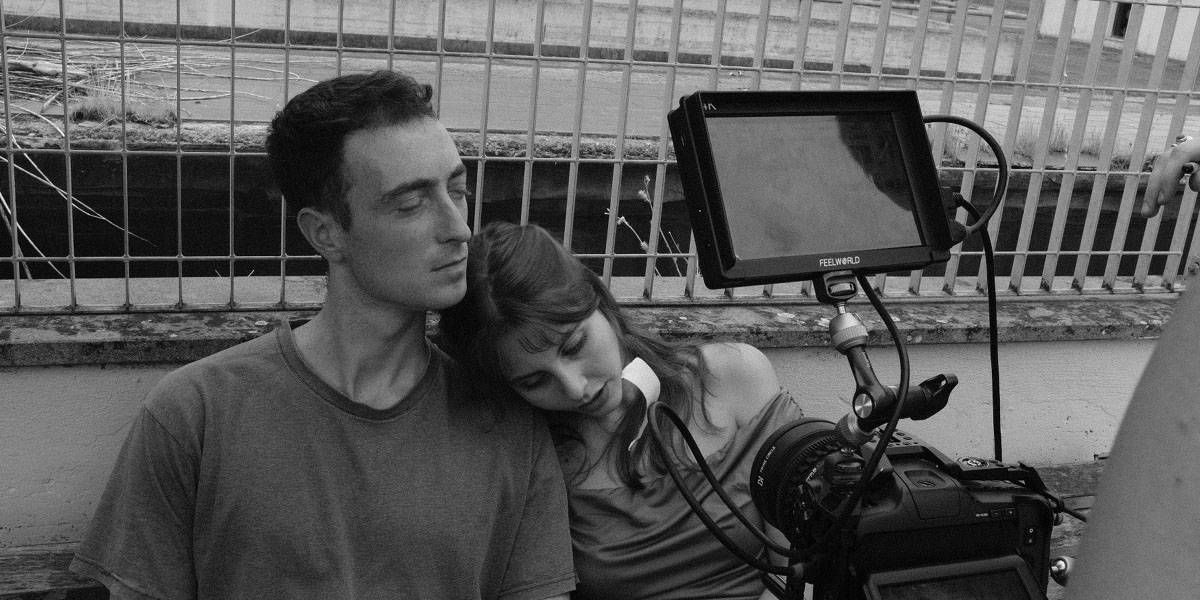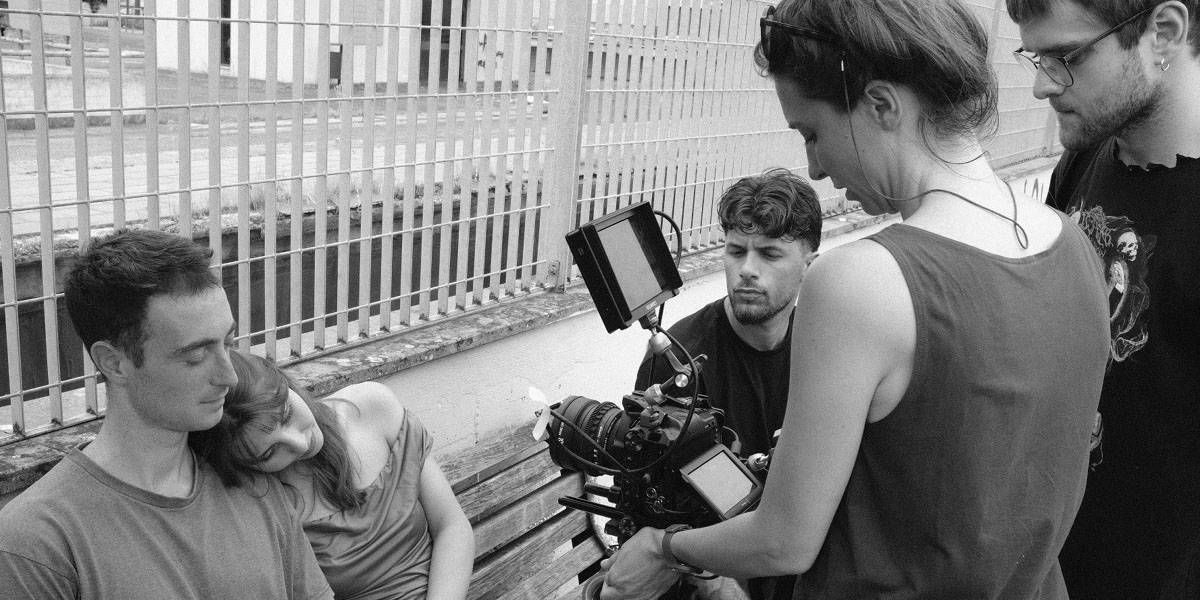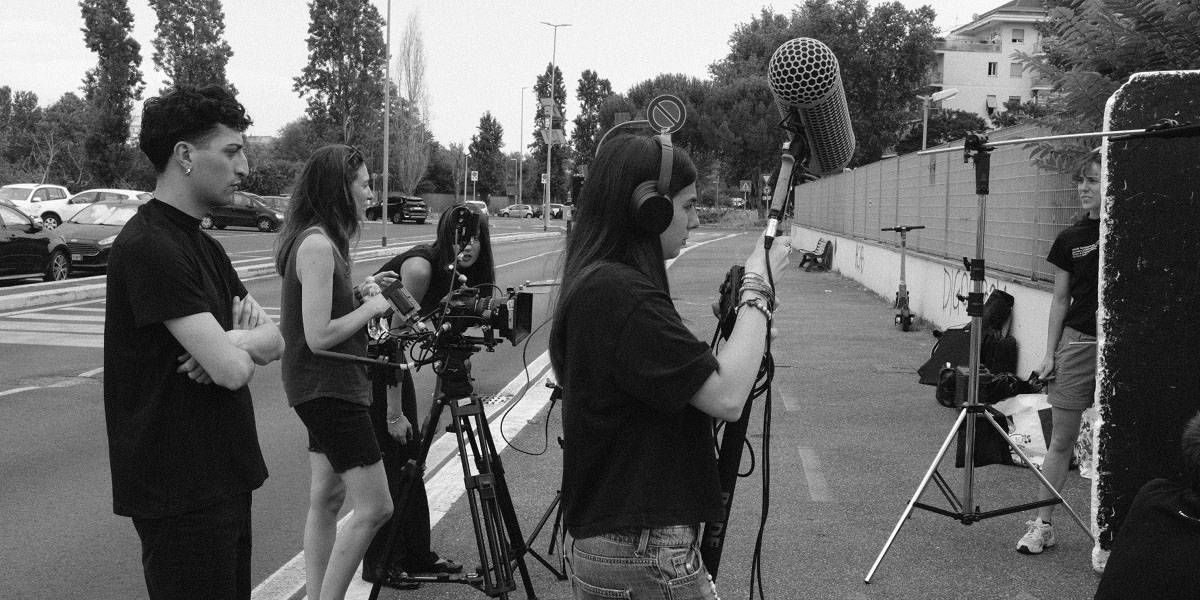
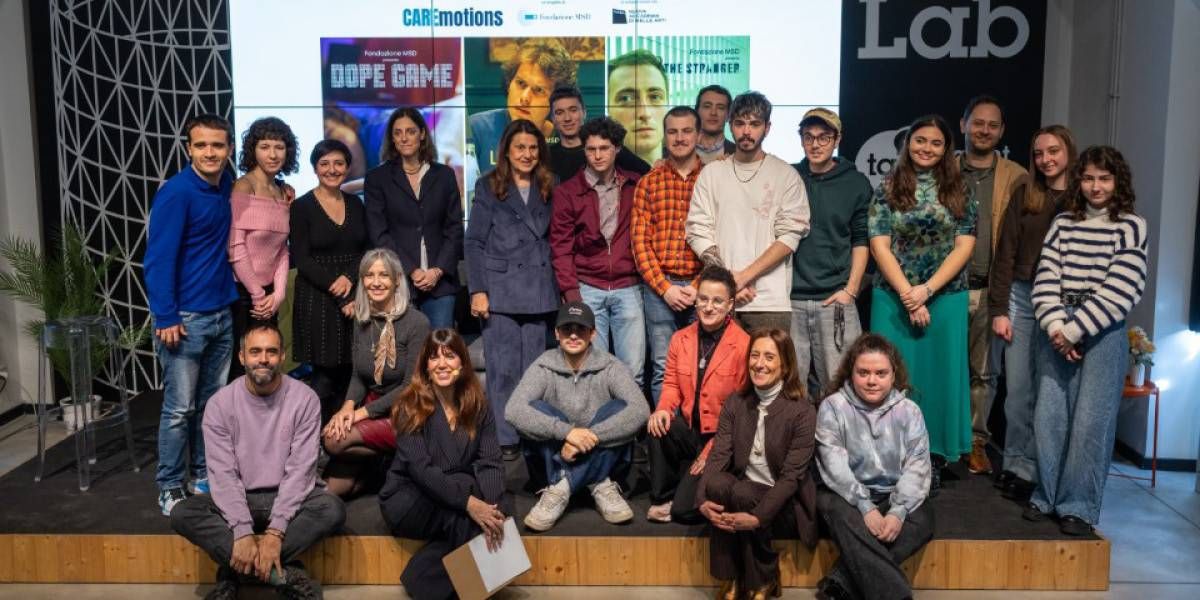
In February 2026, CAREmotions was presented in Rome — a project developed through the collaboration between NABA’s Rome campus and Fondazione MSD, an organisation committed to fostering a culture of prevention and health literacy. The initiative aimed to explore new expressive approaches to engaging young people in conversations about prevention and mental health.
The project was introduced during a roundtable discussion on intergenerational communication and the challenges of health dissemination, moderated by Daniela Collu (host and author). The discussion brought together Marina Panfilo (Director of Fondazione MSD), Andrea Grignolio (Professor of History of Medicine at Università Vita-Salute San Raffaele and scientific supervisor of the project), Sofia Allegra Crespi (researcher and lecturer at the Faculty of Psychology, Università Vita-Salute San Raffaele, and psychotherapist at inTHERAPY – Gruppo Studi Cognitivi, Milan), Roberta Mochi (Head of Press Office, ASL Roma 1) and Fabio Capalbo (Course Leader of the BA in Film and Animation at NABA, Rome campus).
It was through the exchange of academic, scientific and communication expertise that the premise of CAREmotions became clear: although young people are increasingly engaging with health-related topics, they tend to access information rapidly, in fragmented ways, and predominantly digitally. This finding emerges from a survey conducted by Fondazione MSD on a sample of over 2,000 NABA students aged 19 to 25, examining the habits, channels and formats through which younger generations seek and consume information.
According to the data collected, eight out of ten young people report seeking information on health-related topics at least once a week. More than 70% look online for content linked to prevention and wellbeing, and over half of these searches take place on visual platforms such as Instagram, TikTok and YouTube. Short videos and imagery have therefore become the most effective formats for grasping complex topics, while brevity, simplicity and immediacy are essential in making content genuinely meaningful.
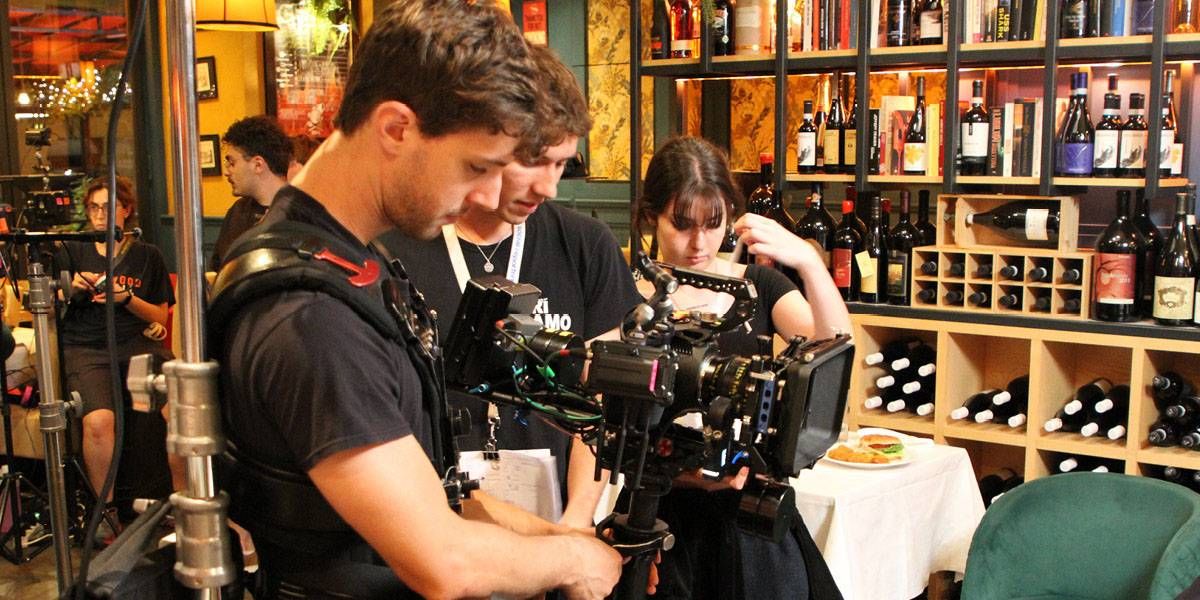
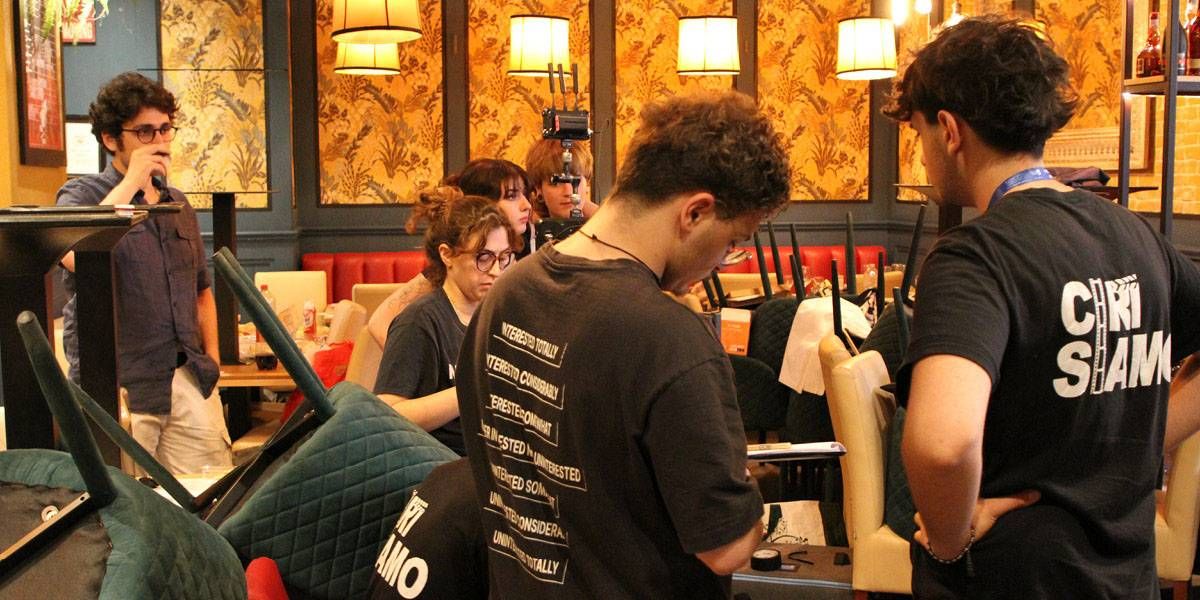
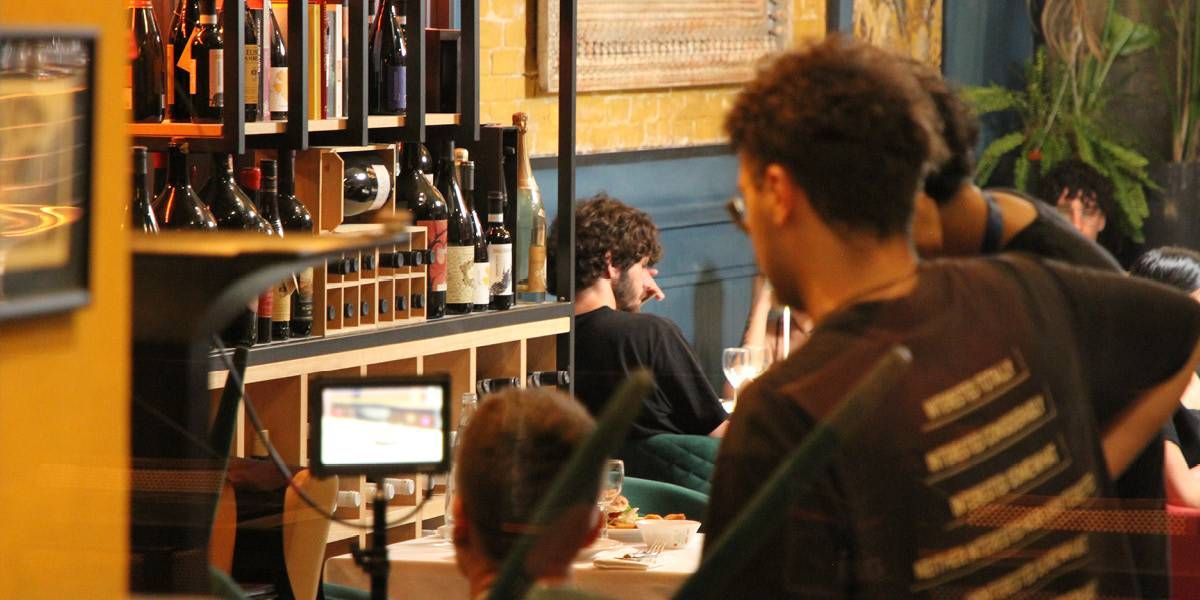
It is within this landscape that the work of students from the BA in Film and Animation at the Rome campus is situated. They were asked to translate scientific content into audiovisual narratives capable of engaging directly with their peers. CAREmotions was conceived as a peer-to-peer storytelling project, designed to address young audiences from their own perspective and through their own expressive language, opening new ways to approach complex health-related issues and encouraging further exploration through creative experimentation.
NABA for Fondazione MSD: CAREmotions and the Three Short Films by Rome Campus Students
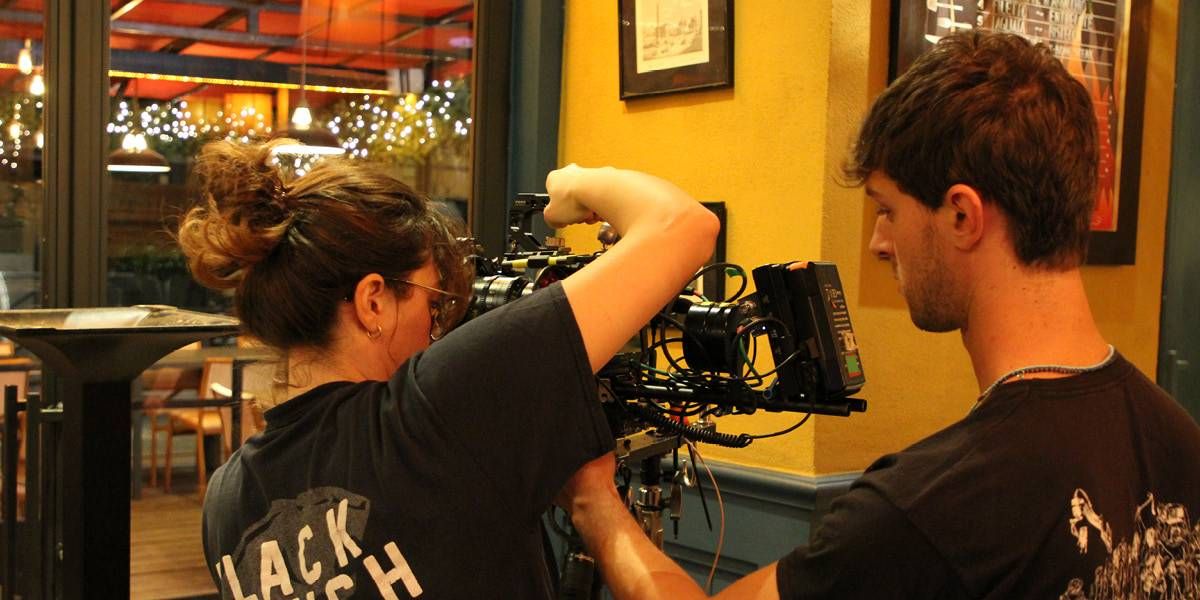
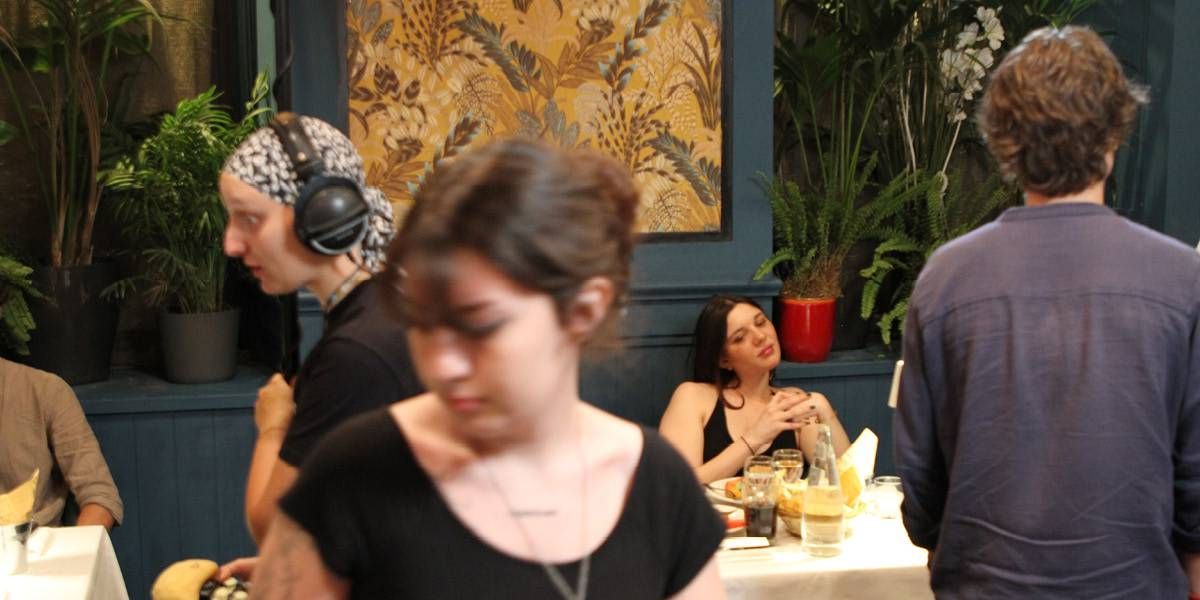
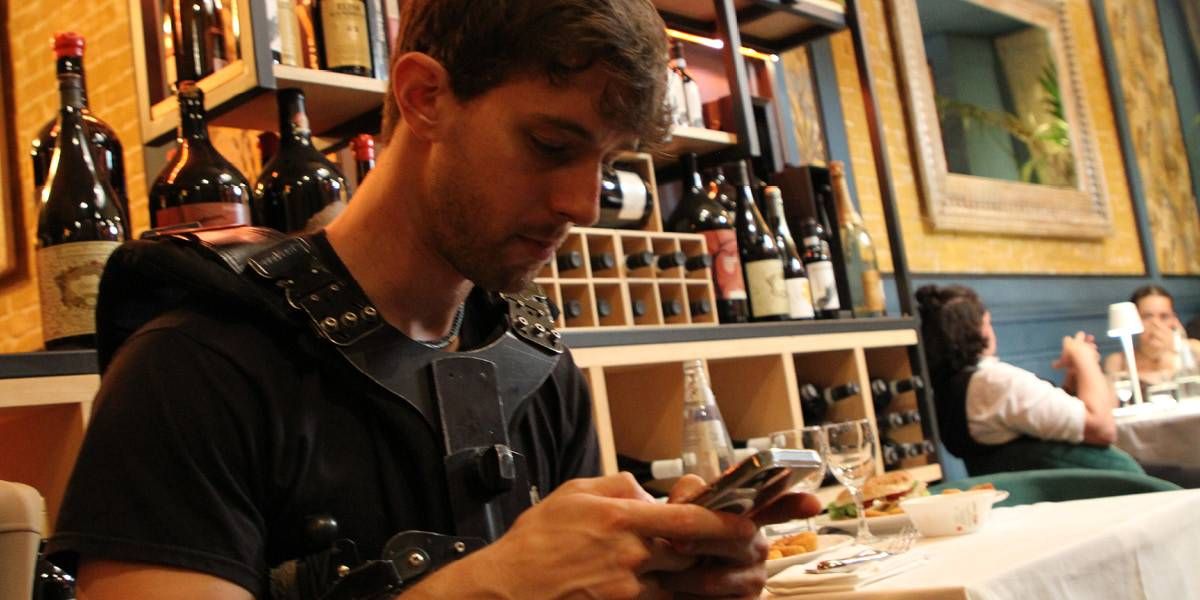
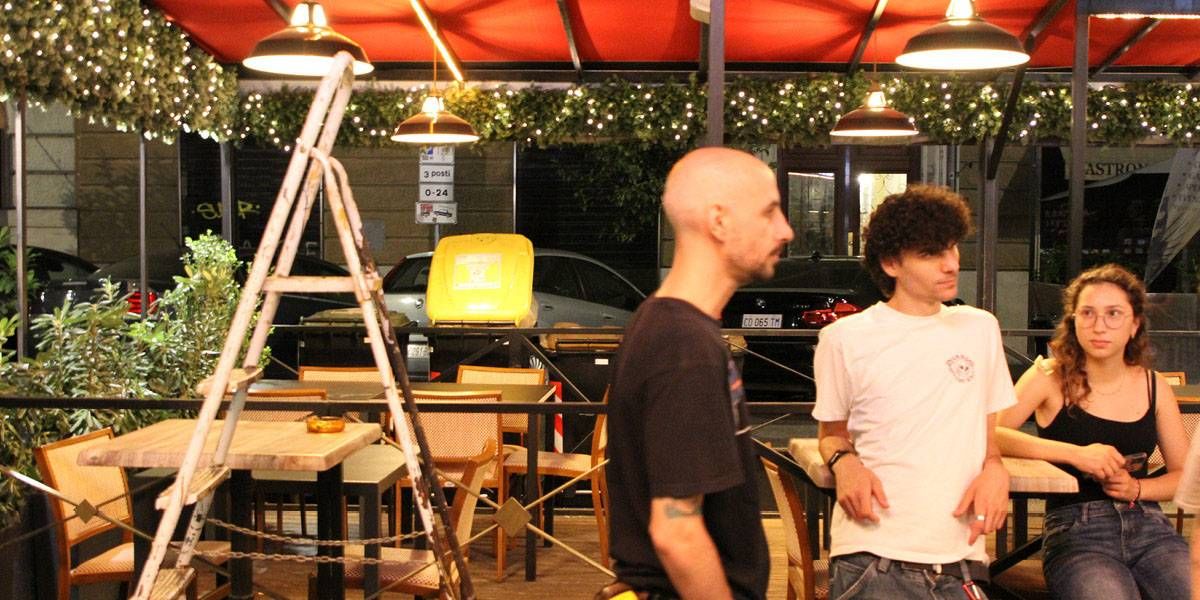
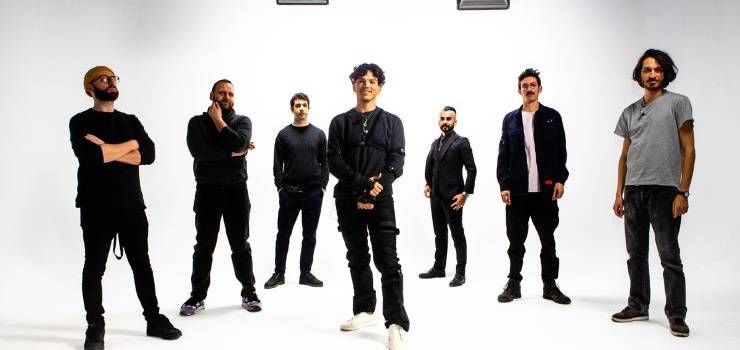
Supported by Alice Vallini and Davide Gentile, BA in Film and Animation lecturers at the Rome campus, alongside Fabio Capalbo and Andrea Grignolio, the students engaged with every stage of the creative process — from selecting the themes and developing the scripts to directing and producing the films. The project combined academic research with visual experimentation, placing students in the position of handling sensitive subjects with rigour, awareness and narrative strength.
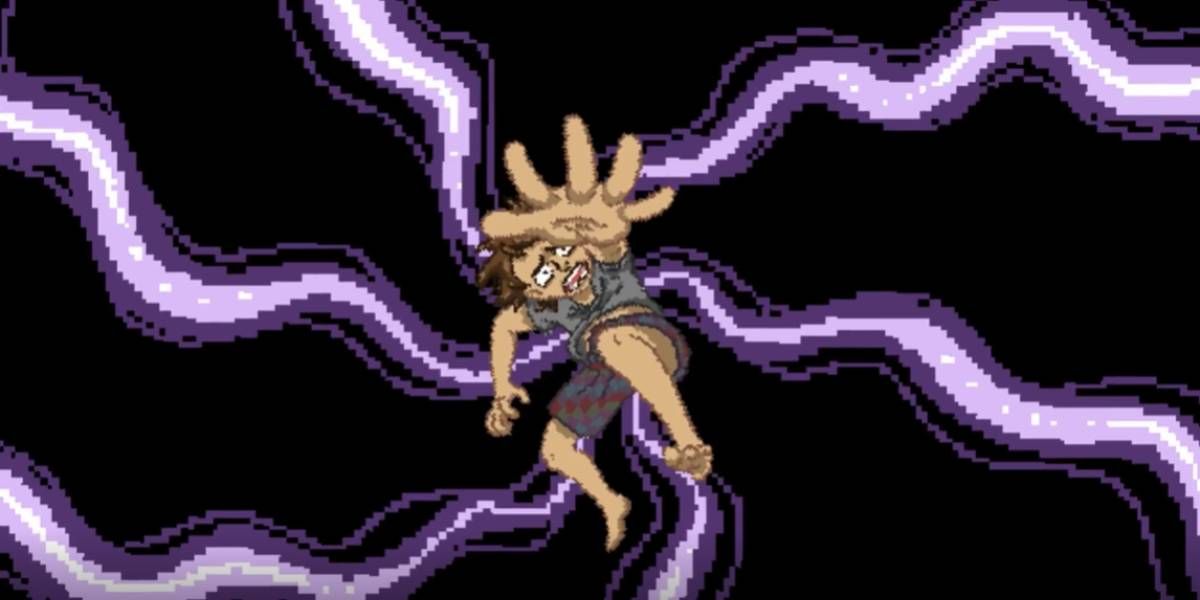
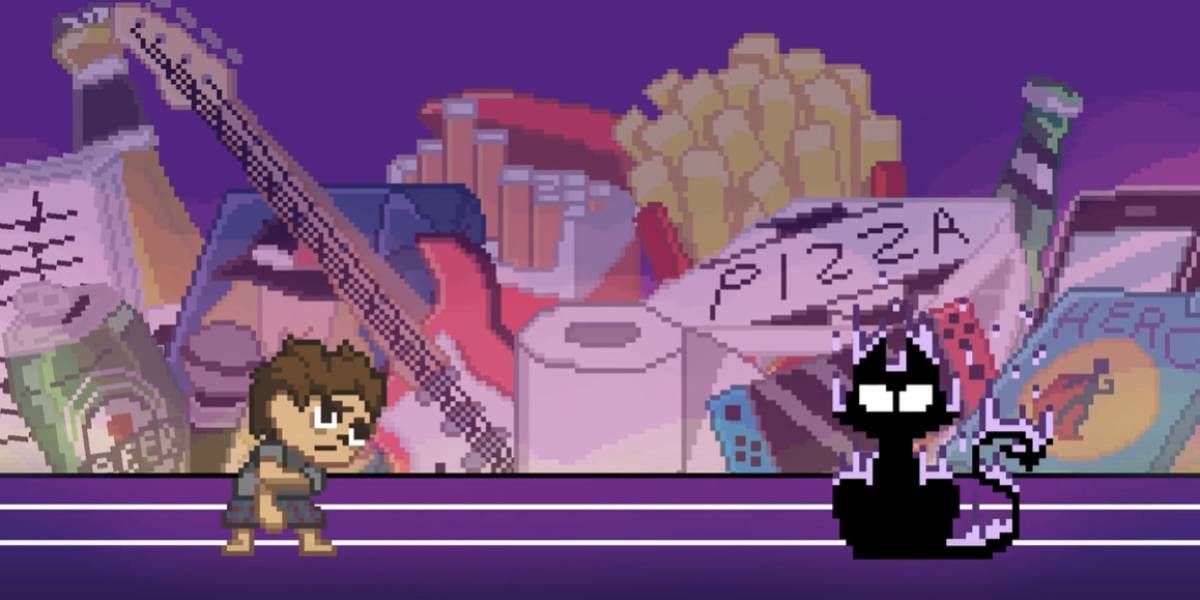
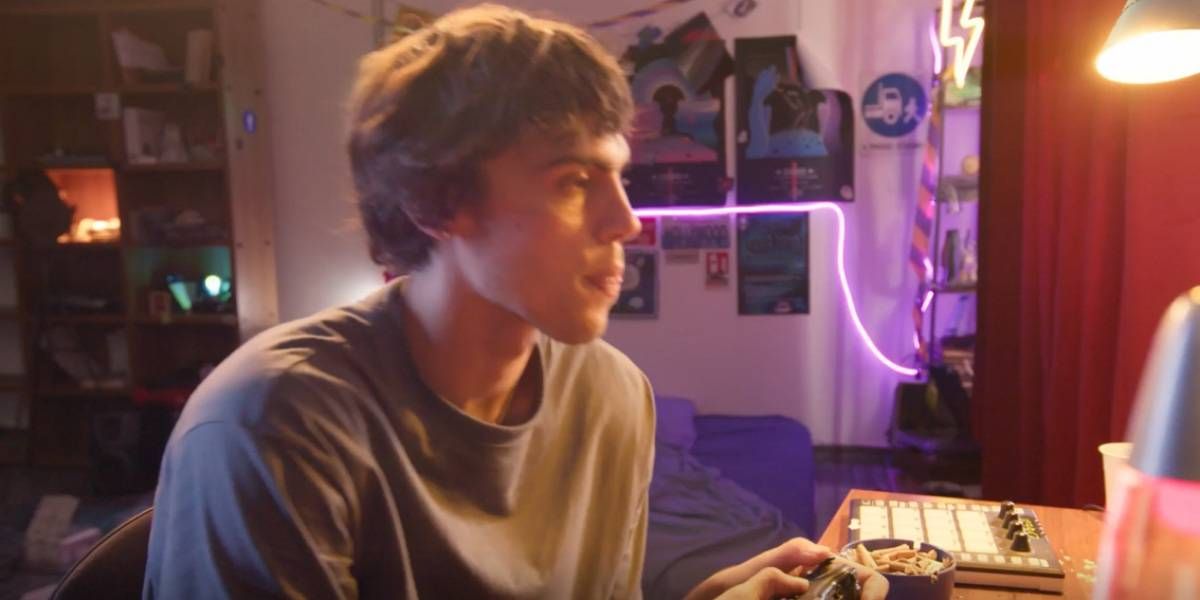
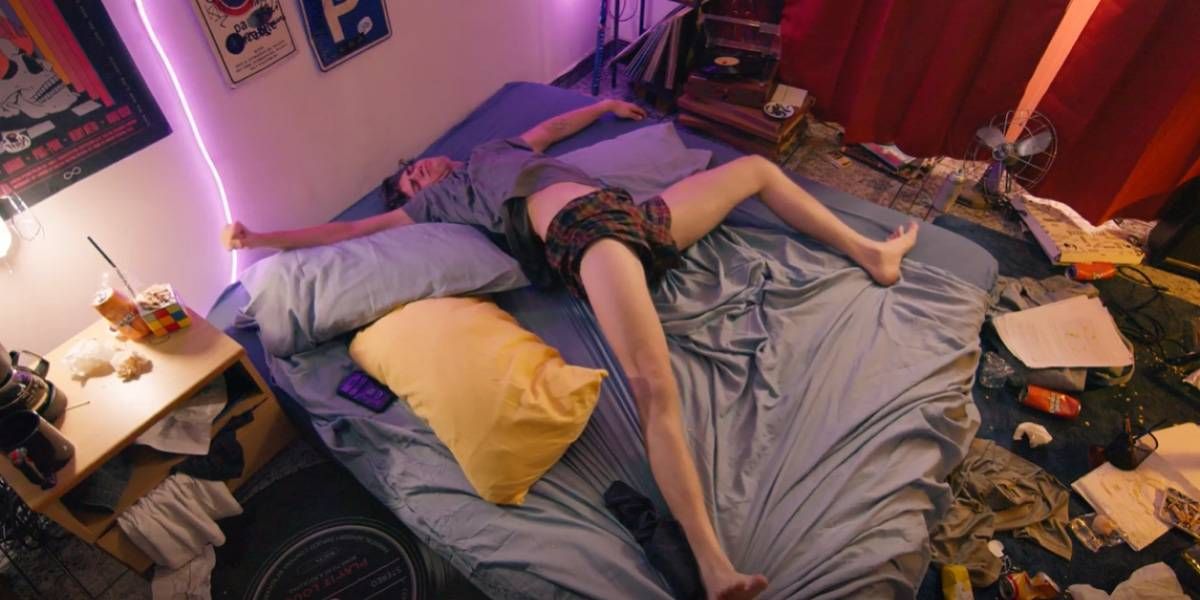
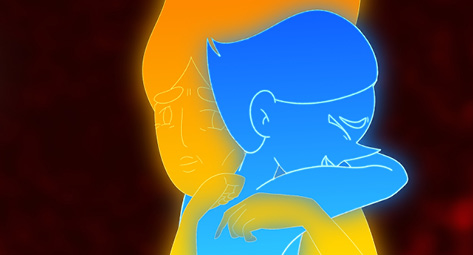
The outcome of this intensive work is three original short films — “Lo Scontrino” by Maxim Facchini, “Dope Game” by Alessio Pantoni and “The Stranger” by Simon Chitoroaga — each addressing, through different yet complementary languages, key issues affecting younger generations: nutrition and lifestyle, behavioural addictions and mental health. While distinct in tone and visual approach, the films operate in dialogue with one another, demonstrating how film and animation can serve as powerful tools for health literacy — making complex and delicate subjects accessible without oversimplifying or trivialising them.
A project that brings together social responsibility, visual experimentation and academic training, extending learning beyond the classroom and into a real-world context. It required continuous dialogue between the accuracy of the content and narrative effectiveness, challenging traditional models of health communication.
As Fabio Capalbo commented: “The project represented a highly valuable experience for the students, both from an educational and a creative perspective. Through CAREmotions, they had the opportunity to engage in depth with complex issues of significant social impact, exercising their creativity while refining their technical and professional skills in translating these themes into an audiovisual language that is both effective and impactful for other young people like themselves.”
These are the three documentaries created by our students.