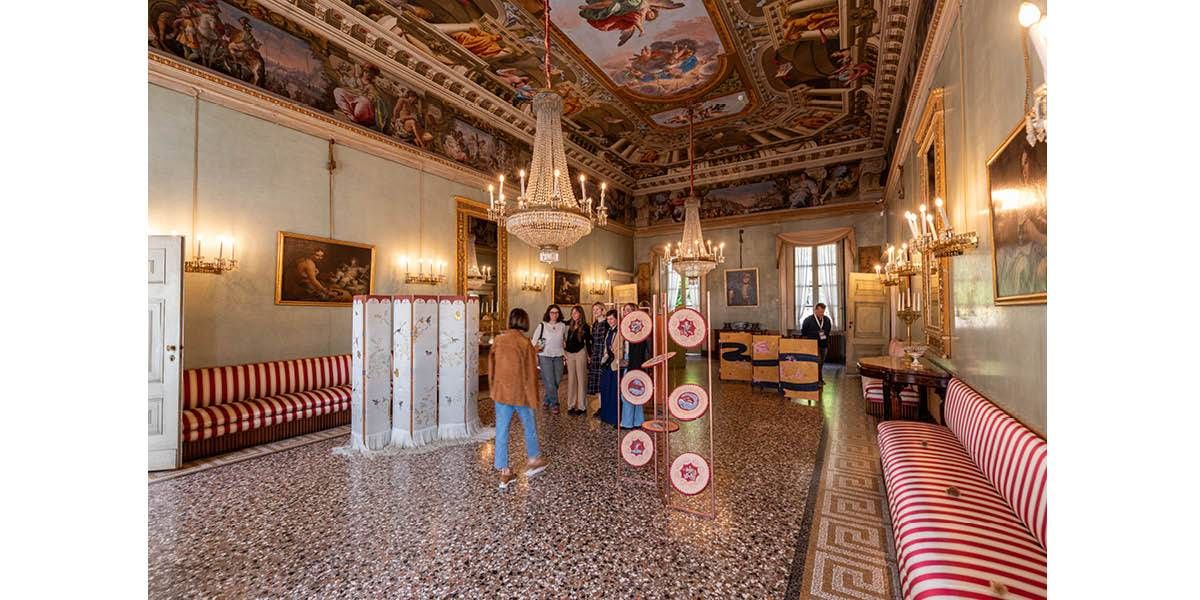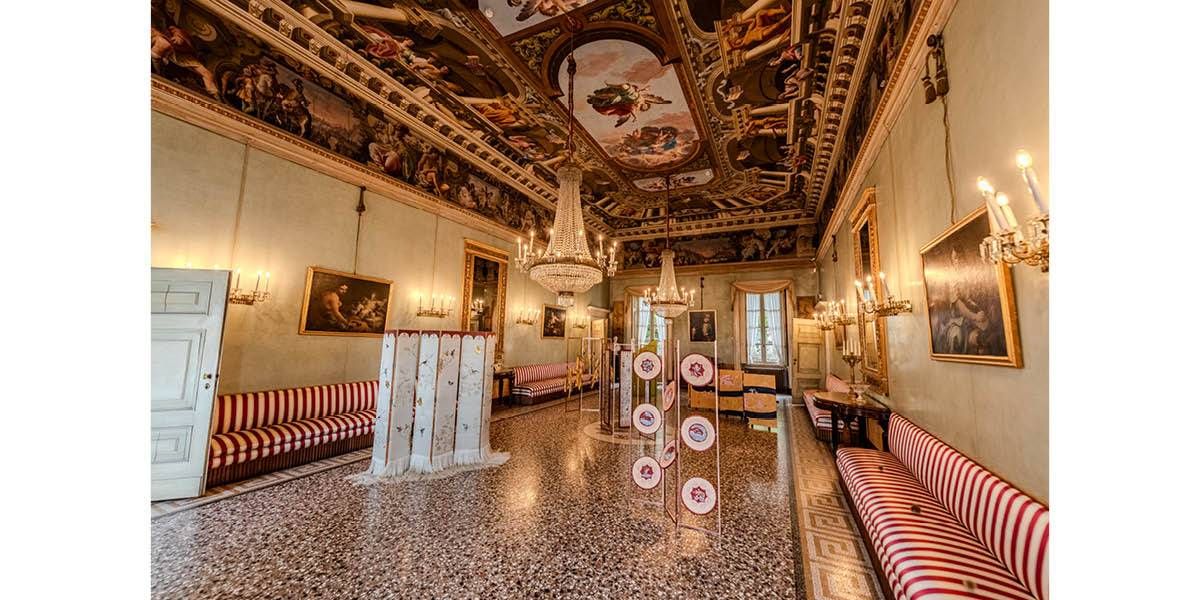
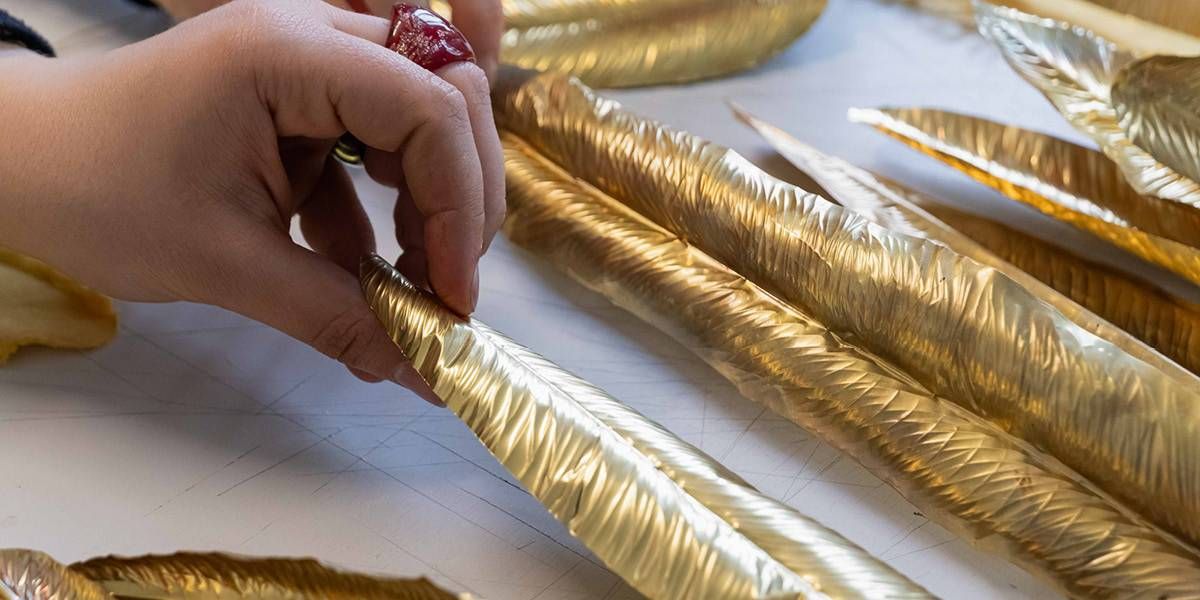
Over the weekend of 17 and 18 May 2025, Palazzo Moroni – a property of the FAI – Fondo per l’Ambiente Italiano in the heart of Bergamo’s Upper Town – hosted "SETA. Memoria, materia e visioni contemporanee", the largest event in the area dedicated to silk art, spanning from mulberry cultivation to its contemporary interpretations.
The initiative was held with the patronage and contribution of Regione Lombardia, with the patronage of the Comune di Bergamo and the Camera Nazionale della Moda Italiana, confirming its role as a key event in the promotion of a tradition deeply rooted in local history. Set within a context of outstanding architectural and landscape value, the event featured the courtyard, the piano nobile, and the palace’s green spaces, offering visitors a wide, immersive experience.
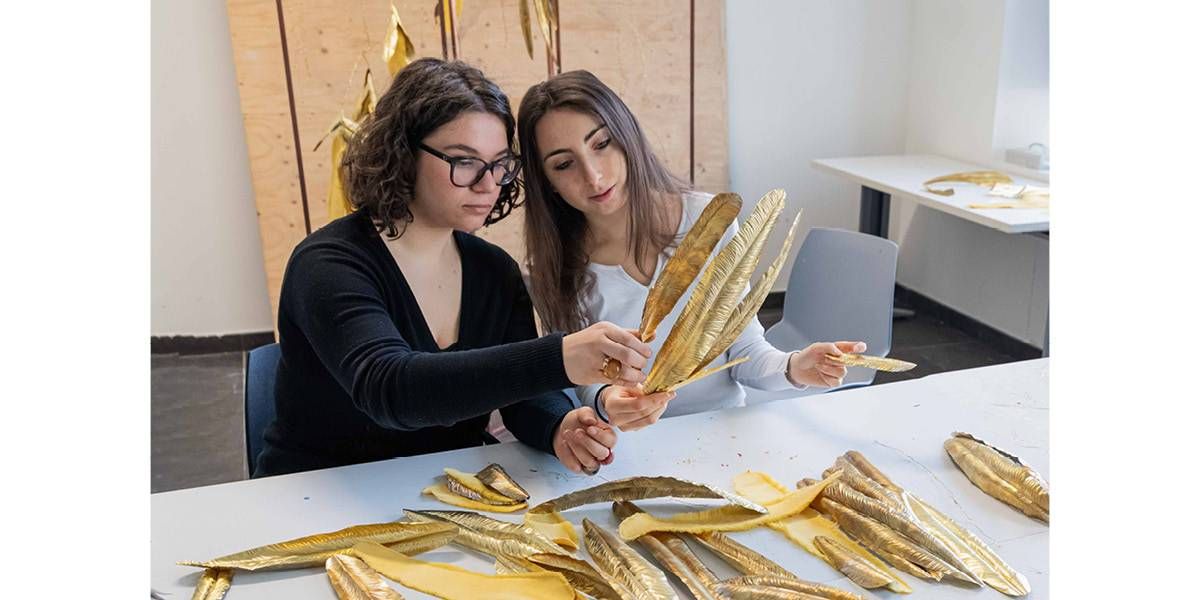
Supported by Taroni, a historic Italian textile company and the event’s main partner, "SETA" presented a rich programme that brought historical heritage, sustainability and design experimentation into dialogue. Within this framework, students from NABA’s BA in Set Design took part in the project, transforming the Ballroom of Palazzo Moroni into an exhibition space where history, material — silk — and design engaged in a direct and coherent dialogue.
This is the second project that NABA has carried out in collaboration with the FAI – Fondo per l’Ambiente Italianoat Palazzo Moroni in Bergamo: the first was "NABA Textile Room", a collection of artefacts created by students from the Fashion Design Area and dedicated to exploring the historical and cultural significance of silk within artistic textile practice, through digital printing and textile manipulation techniques.
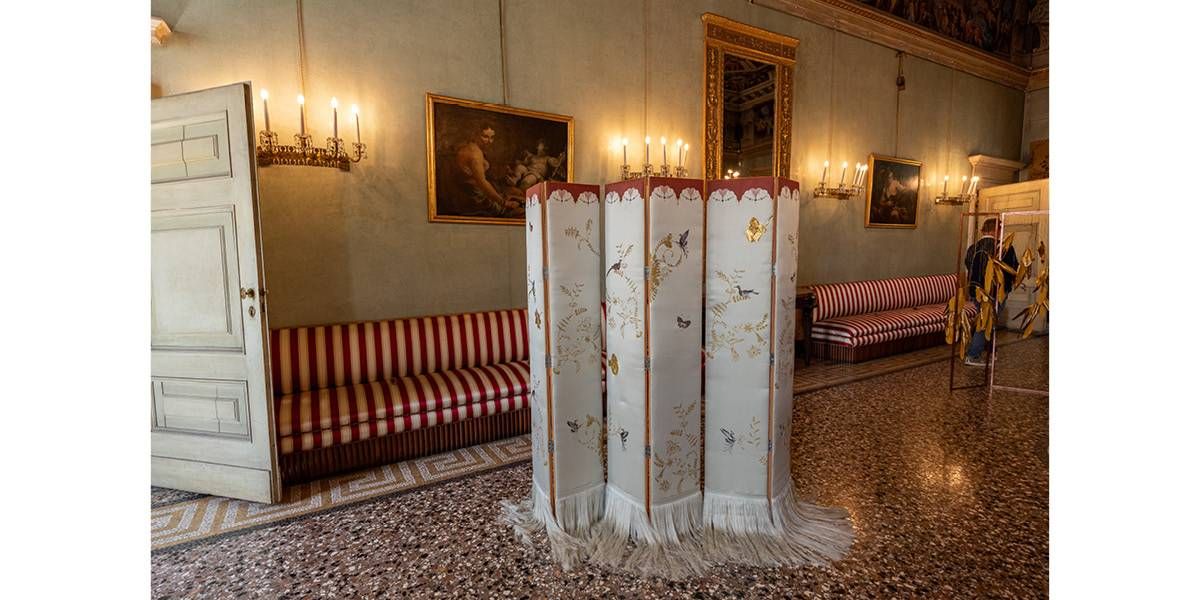
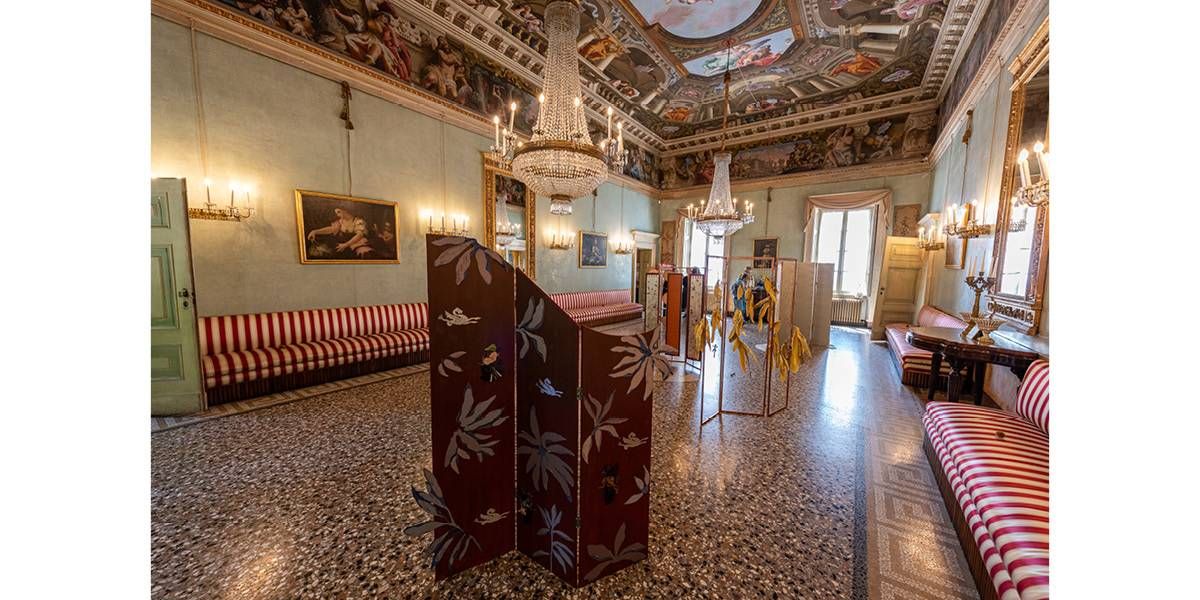
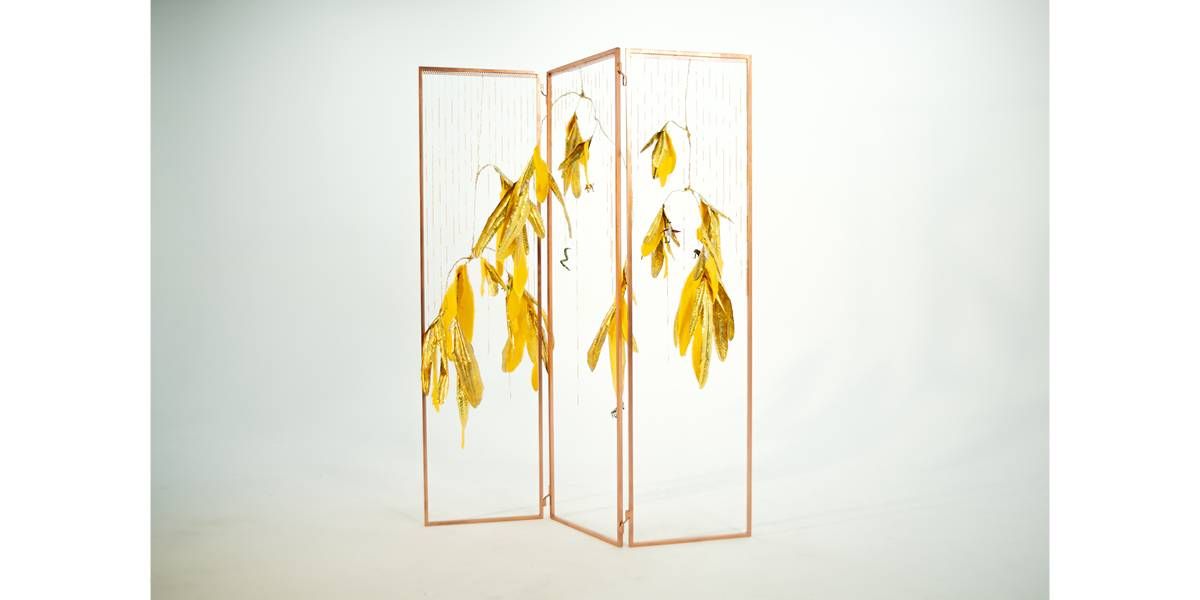
NABA at "SETA. Memoria, materia e visioni contemporanee": the folding screens created by NABA students
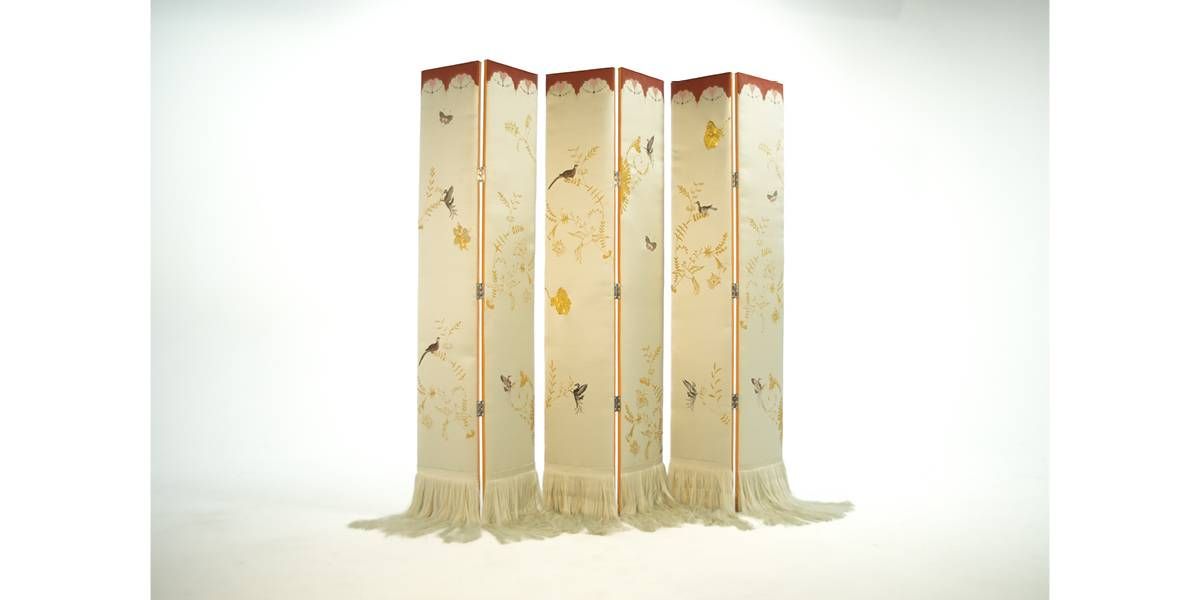
Known in China and Japan as everyday objects as early as the 7th century, folding screens represent a valuable testimony to the encounter between East and West. From their origins, silk has been among the materials that shaped their diffusion: a material deeply rooted in Eastern culture and a privileged vehicle for exchanges, symbols and shared imaginaries.
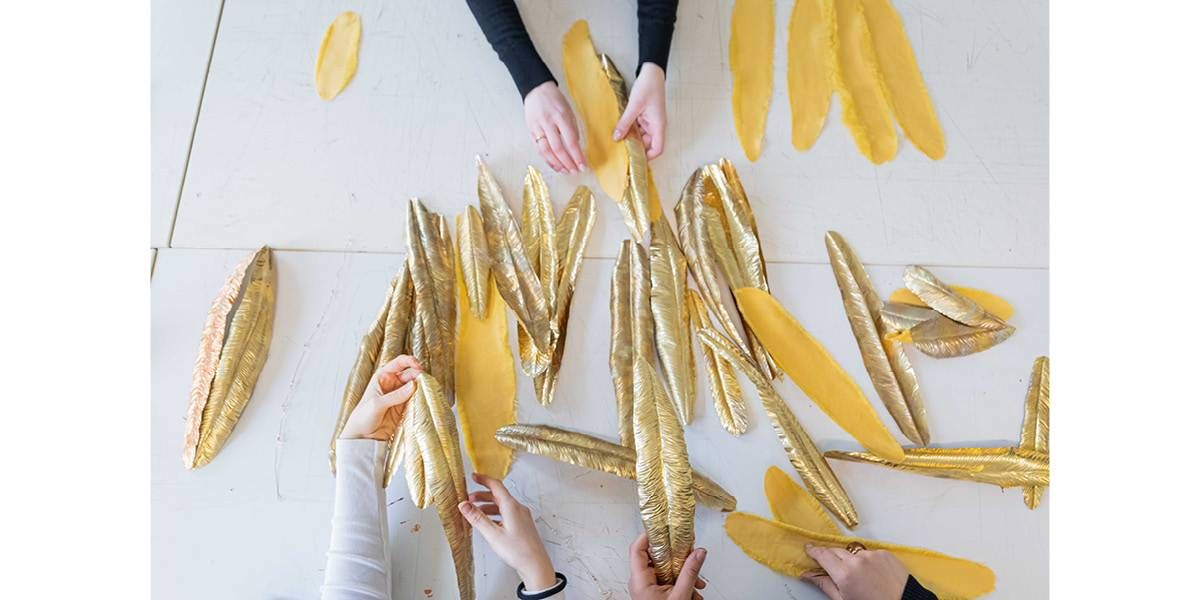
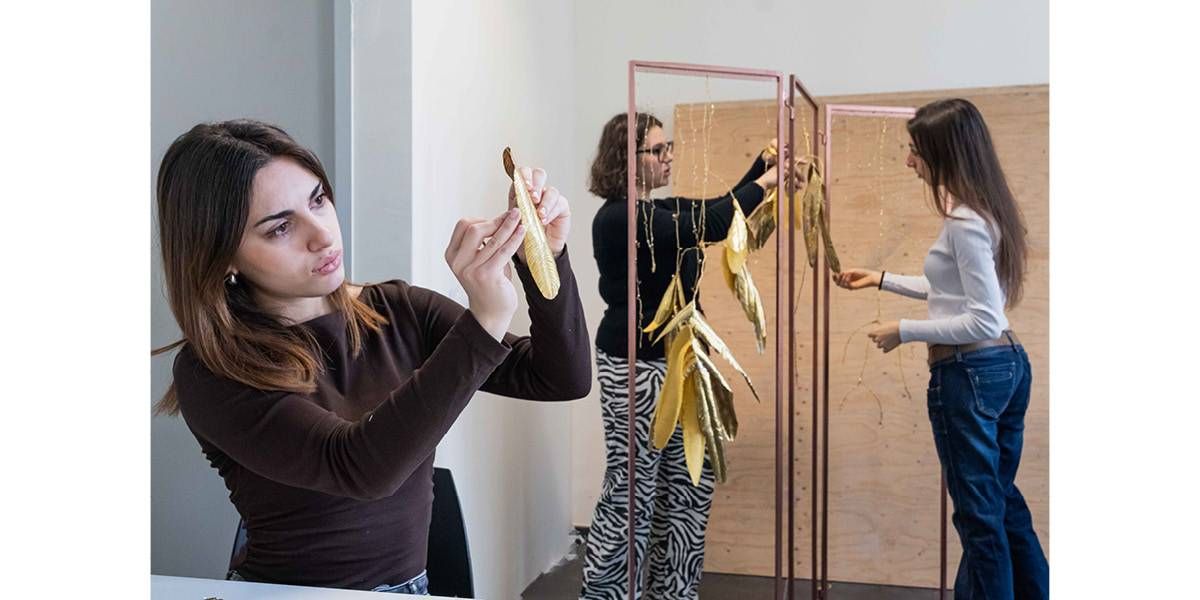
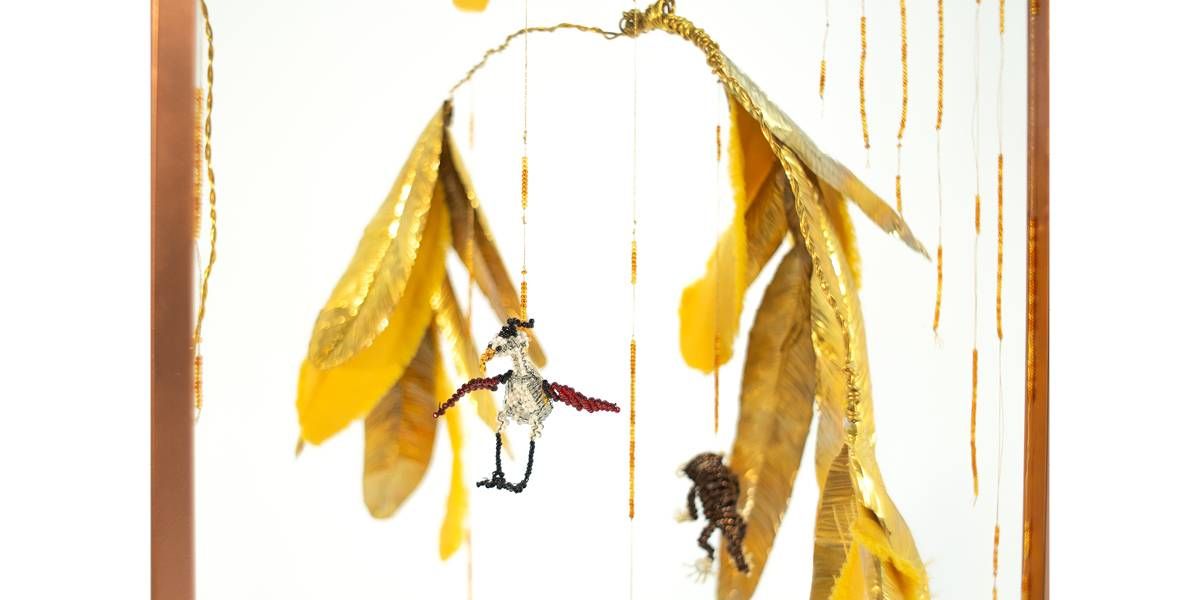
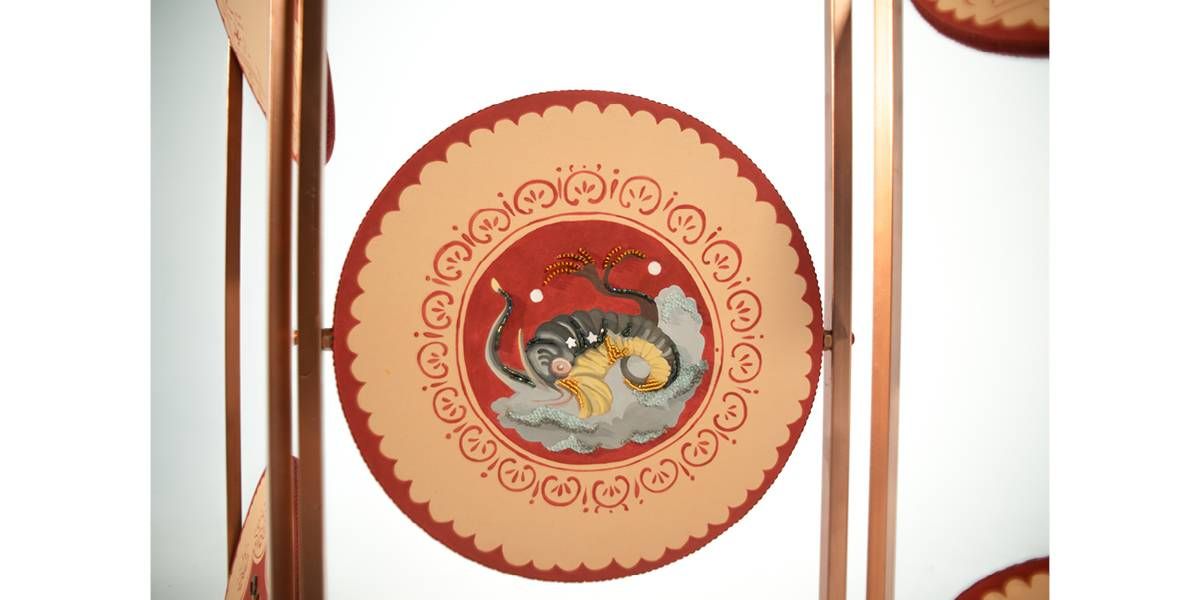
The six folding screens presented, created by NABA students using silk donated by Taroni, were developed through a careful reinterpretation of several nineteenth-century rooms of Palazzo Moroni — the Sala Rosa, the Salottino Cinese and the Sala Turca. Decorative motifs, atmospheres, and symbolic elements were reimagined through a contemporary lens.
Traditionally used as furnishing elements, theatrical backdrops and works of art at the same time, yet often relegated to a background role, the folding screens were here rethought as autonomous scenic devices. In this context, they guided the viewer’s gaze and structuredthe exhibition route, setting its rhythm and taking on a central role within the exhibition design.
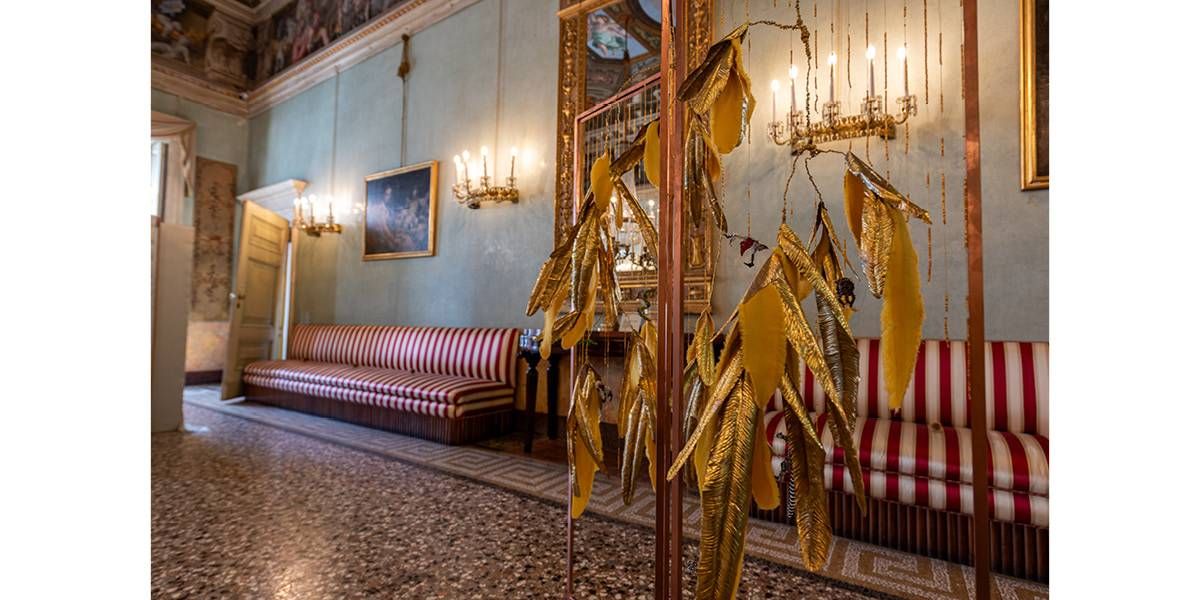
Forms, painted surfaces, textiles and applied elements offered a Western interpretation of those exotic imaginaries that define the expressive potential of the object, accompanying its transformation from a functional element to a backdrop, from a stage wing to a sculptural presence, and ultimately to a work of art. It is precisely this cross-contamination between different arts and functions that defines the folding screens’ hybrid identity, overcoming distinctions and hierarchies between art, theatrical set design and interior decoration.
Through silk — a material that is both symbolic and tangible — the folding screens brought memory, space and design into dialogue, offering a contemporary reflection on artisanal knowledge that has helped shape the cultural identity of the Bergamo area and of the Moroni family.
Below are the six folding screens created by students from NABA’s BA in Set Design — Pernilla Bertagni, Maria Vittoria Grandi, Valeria Talarico, Sofia Loperfido, Carlotta Marini, Morena Milani, Lucia Risegato and Sara Scrosati — developed under the guidance of NABA lecturer Eva Marchetti.