

What is a moodboard?
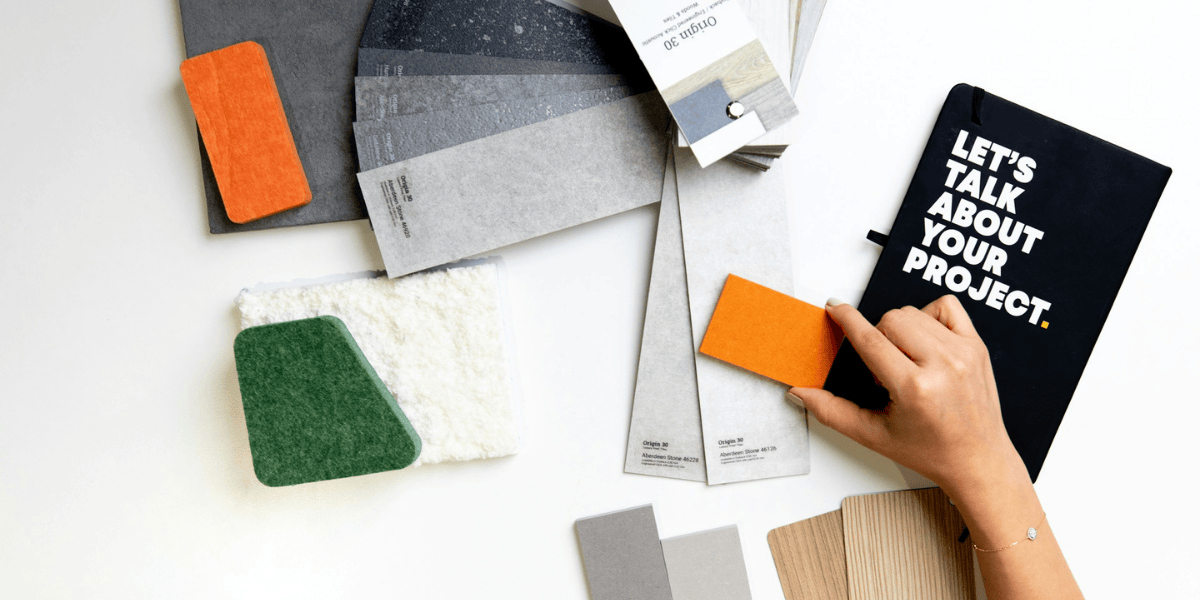
At least once during your studies you may have asked yourself: what is a moodboard? A term that will accompany your entire academic journey and, often, your professional career as well, it refers to a visual tool used to gather ideas, inspirations, and concepts that help define the aesthetics or atmosphere of a creative project. Put simply, it is a collage made up of images, colours, textures, typography, and visual materials that together provide a tangible reference to guide the development of a project.
For a university student, especially in creative fields such as design, communication, graphics, fashion, or cinema, the moodboard is an essential step to visualise abstract ideas and translate them into concrete, coherent elements. It has the power to make it easier to communicate an idea, allowing a vision to be expressed clearly and concisely. It is particularly useful at the beginning of a project, when sources of inspiration may still be in the process of taking shape.
For a student working on an academic project — whether a fashion collection, a film, a graphic design piece, or an artistic installation — creating a moodboard helps to organise ideas, maintain stylistic and conceptual consistency, and communicate them effectively to lecturers who will evaluate the work.
What is the purpose of a moodboard?
As mentioned earlier, the moodboard plays a crucial role in the creative process:
- Organisation of inspirations: it gathers and visually structures the ideas that will guide the project, providing a clear and consistent direction from the very beginning.
- Definition of style and details: it establishes the overall atmosphere and stylistic details, such as colour combinations, textures, and materials, ensuring consistency across all components of the project.
- Space for experimentation: it allows different visual solutions to be explored without compromising the project, enabling free experimentation with combinations and alternatives before moving on to the execution stage
- Verification of visual consistency: it makes it possible to test and ensure that all stylistic choices are harmonious and contribute to a well-defined visual identity.
- Effective communication: it is a powerful communication tool, particularly useful during reviews with lecturers, as it immediately clarifies the creative direction and facilitates discussion.
- Foundation for discussions and revisions: it provides a solid visual basis for debating possible changes, improving collaboration and the review process.
Find out more about our programmes, campuses, labs, and projects with industry partners.
In which fields of study and professional sectors is the use of a moodboard essential?
When is a moodboard used? It is a crucial tool in many areas of study and professional fields, where the ability to visually communicate ideas and concepts is essential to the success of a project. Below are the main disciplines in which the moodboard plays a key role:
- Fashion: it is an essential tool for translating abstract inspirations into a concrete collection, as it allows designers to explore themes, colours, fabrics, and silhouettes that define a clothing line. It helps to shape the overall atmosphere of a collection and ensures coherence among the different garments. Moreover, it facilitates dialogue between designers, fabric creators, and clients, making it easier to share the stylistic vision.
- Graphic design: it helps explore and define the aesthetic of a visual project, whether it’s a logo, a brand identity, or an editorial layout. It is used to select colour palettes, typography, and visual styles that effectively communicate a brand’s or product’s message, ensuring that all graphic elements are consistent and aligned with the overall vision — thus improving collaboration with clients and marketing teams.
- Interior design: it allows the gathering of ideas for the creation of harmonious and functional spaces, and for evaluating materials, colours, furniture, and finishes that will define the environment during the design phase. It is also useful for presenting the concept to the client, helping them to visualise the final appearance of the space and to verify that every stylistic choice aligns with the original concept.
- Film and television: it is used to define the visual tone and atmosphere of a scene or an entire production. Directors, set designers, and costume designers create moodboards to explore the visual look of settings, costumes, lighting, and colour palettes, ensuring that every element contributes effectively to a coherent visual narrative. During pre-production, it becomes a key communication tool between the director and the rest of the team.
- Marketing and advertising: it is used to create and communicate the visual identity of an advertising campaign or brand. Creative directors, graphic designers, and copywriters collaborate to build moodboards that outline visual themes, messages, and the overall tone of communication, allowing them to quickly check that all marketing materials — from advertisements to social content — are consistent and reflect the essence of the brand.
- Architecture: it is a tool that helps define and visualise the aesthetics of an architectural project. It allows architects to explore building materials, colours, finishes, and design solutions that will influence the look and feel of the spaces. This preliminary phase is crucial to ensure that the architectural project reflects the client’s expectations and requirements.
How to create a perfect moodboard?
Let’s get to the point: how do you create a perfect moodboard — regardless of the context in which it will be used? You’ll need a good dose of creativity, paired with careful planning and meticulous attention to detail. Here are the essential steps to develop a comprehensive and successful moodboard:
- Define the project objective: before collecting any images or references, make sure you are clear about the project’s central concept. Whether it’s fashion, design, graphic design, or film-making, it’s important to define the atmosphere, tone, and messages the moodboard should communicate. This preliminary phase will help you maintain the right level of coherence throughout the creative process.
- Gather relevant visual materials: once you’ve set your moodboard’s objective, search for the right references and visual resources. You can use online platforms such as Pinterest and Behance, browse specialist magazines and books, pull stills from your favourite films, and even photograph everyday objects. Don’t rely solely on digital images; also use physical materials such as fabrics, colour swatches, and textures that can add depth and tactility to the moodboard — especially for fashion or interior design projects.
- Arrange the elements coherently: after collecting your materials, lay them out thoughtfully on the moodboard. It’s not enough to simply group images together: you need to harmonise each element to create a visual narrative that guides the viewer through the project. Ensure the moodboard follows an internal logic in which colours, textures, and images complement one another and contribute to a unified vision. Keep a consistent colour scheme and use white space strategically to let the visuals breathe.
- Balance quantity and quality: don’t overload the moodboard with too many items; choose only those that best represent the concept. A well-balanced visual collage should be easy to read and convey the message without confusion.
- Experiment with different formats: digital moodboards are now a must thanks to their practicality, but physical boards often have a stronger impact because tangible materials add a sensory dimension to the project, offering a more immersive visual and tactile experience.
- Review and refine: before finalising the moodboard, take time to revisit it with a fresh eye. Consider whether the selected visuals truly communicate the concept you want to convey and whether there are parts to remove or improve. Ask for feedback from peers or lecturers to make sure your vision is clear.